The Plywood Pop: Why Your Roof Sheathing Is Buckling (and How to Fix It) | Roof Repair in Hillsboro, OR
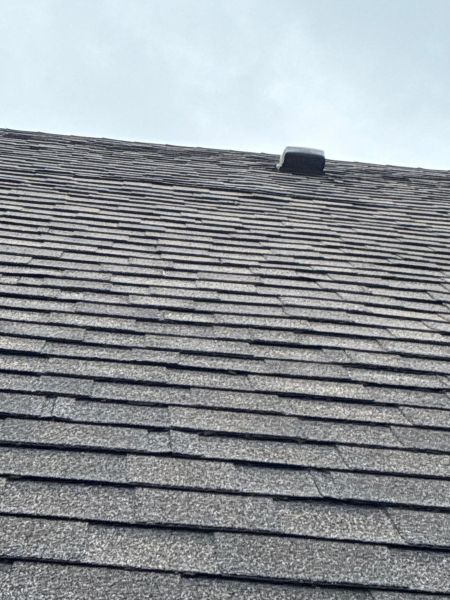
If you see a hump or ripple running across your shingles, you might be staring at a “plywood pop.” It is a common roof issue around Hillsboro where damp winters meet warm, sunny spells. In this guide, you will learn what it is, why it happens, and how a pro at Allen Exterior Remodeling, Inc. corrects it so your home stays dry. If you need help now, start with professional roof repair and talk with our team at 503-693-1948.
What Is a “Plywood Pop” on Your Roof?
A plywood pop is a raised line or bulge that telegraphs through the shingles. It forms when the roof sheathing pushes upward instead of lying flat. The result looks like a long speed bump. Left alone, the movement can crack underlayment, open shingle seams, and invite leaks.
Homeowners in Orenco Station, Tanasbourne, and Reedville often notice these ridges after a hot stretch or right after the first heavy fall rain. That is because heat and moisture are the two biggest triggers.
The Two Main Causes of Plywood Pops
1. Insufficient Plywood Expansion Gaps
Roof sheathing needs small gaps between panels so wood can expand. When installers push panels tight, thermal expansion has nowhere to go and pressure builds. The sheet bows and lifts along the seam. Over time, that upward force can fracture the underlayment below the shingles, which increases the chance of a leak during wind-driven rain.

2. Excessive Heat and Poor Attic Ventilation
Attics should breathe. Cool air enters at the soffits and warm air exits at the ridge or roof vents. When that flow is blocked or unbalanced, heat and moisture get trapped. The attic turns into a pressure cooker, the sheathing swells, and pops appear. In the Willamette Valley, winter humidity and summer heat spikes make balanced ventilation especially important.
How Plywood Pops Show Up On Hillsboro Homes
You might not climb a ladder, but you can often spot clues from the ground or inside the home. Look for patterns rather than random defects. Pops usually form straight lines that follow the panel edges beneath the shingles.
- Long, straight ridges or humps running parallel to the eaves
- Shingles that look tented or slightly lifted along a line
- Ceiling stains after storms if underlayment has cracked
- Attic signs like damp sheathing, rusted nails, or musty odors
Do not walk the roof to check a suspected pop. Foot traffic on a raised area can split shingles or worsen the buckle. A trained roofer can diagnose it safely from the roof and attic.
Why Ventilation Matters In The Willamette Valley
Washington County homes see cool, wet winters that load attics with moisture, followed by warm, sunny stretches that drive temperatures up. Without a steady path for air in and out, the attic cooks and the sheathing swells. Balanced ventilation means intake at the soffits and exhaust at or near the ridge, sized for the roof area and kept clear of insulation.
Clogged soffits are a silent problem. Paint, pests, or insulation can block the slots and stop airflow even if you have a ridge vent. A roofer checks both the exterior vents and the attic side to confirm that baffles are open and air can move.
What A Pro Checks Before Any Repair
A careful inspection prevents guesswork and addresses the real cause. The goal is to protect the structure and stop the pop from returning.
- Roof surface: locate ridges, lifted shingles, and any cracked lines in the field
- Underlayment: check for tears along the pop line
- Sheathing seams: verify gap spacing and panel orientation
- Attic conditions: measure intake and exhaust, verify baffles, look for condensation and rusted fasteners
- Fasteners: confirm nails are the right length and properly seated
When we find moisture patterns, we often recommend thorough roof inspections to document airflow and any hidden deck issues. That evidence guides a lasting repair plan, not a quick patch.
Repair Options That Last In Our Climate
Every home is different, but the process follows a proven sequence. First, relieve the stress that caused the pop. Second, restore a flat, sealed surface. Third, correct ventilation so the problem does not return.
On many Hillsboro homes, a focused deck and shingle repair solves localized pops. If we find widespread tight seams, multiple ridges, or aging shingles beyond their service life, we may recommend a more comprehensive approach paired with proper exhaust and intake.
Fixing the surface without fixing ventilation is a short-term bandage. Your roof should breathe year-round to handle both January rain and August heat.
Prevention For New Roofs And Future Projects
If your home is headed for a reroof, preventing plywood pops is straightforward when you follow best practices. Proper spacing, fastening, and airflow work together to keep the sheathing stable through weather swings.
During a replacement, your contractor should verify panel gaps, align seams correctly, use the right nails, and set balanced intake and exhaust. If your shingles are near the end of their life or you have widespread buckling, it may be smart to consider full roof replacement instead of repeating spot repairs.
Local Factors That Push Sheathing To Move
Hillsboro’s microclimates matter. Neighborhoods like Brookwood and Witch Hazel sit where morning fog lingers, keeping attics damp. AmberGlen and Jackson School see more afternoon sun, which drives attic temperatures higher. The combination can make plywood expand and contract more than homeowners expect.
Tree cover also plays a role. Dense shade keeps roofs wet after storms, while open exposures heat faster on clear days. Both conditions stress the deck. A good plan balances airflow and keeps the deck within a safer temperature and humidity range.
How We Protect Your Home Step By Step
Here is what working with Allen Exterior Remodeling, Inc. looks like when you call about a suspected plywood pop:
- Assessment: document the ridge line, shingle condition, and attic airflow.
- Moisture check: look for damp sheathing, rusty nails, or moldy insulation.
- Targeted repair: relieve the stressed seam, restore a flat deck plane, and seal the area against rain.
- Ventilation correction: open soffits, add or adjust exhaust, and confirm balanced net free area.
- Final review: verify the shingle surface is smooth, watertight, and ready for Hillsboro weather.
When you need big-picture guidance on your home and options, our team can walk you through roof repair in Hillsboro, OR strategies that fit your goals and timeline. We help you decide what protects your roof through winter storms and summer highs.
Common Myths To Avoid
Myth 1: “It will flatten once the weather changes.” Wood movement may shrink a little, but the damage to underlayment and shingles remains. Water finds those weak points during the next storm.
Myth 2: “More vents always fix the issue.” Not always. You need balanced intake and exhaust sized to the roof. Too much exhaust without intake can actually pull conditioned air from the home.
Myth 3: “A few extra nails will hold it down.” Fasteners do not stop expansion. The pressure that lifts sheathing can bend nails and lift shingles again unless the root cause is corrected.
When To Call A Local Roofer In Hillsboro, OR
Call as soon as you see a straight ridge, tented shingles, or new ceiling stains. Fast action limits water damage and keeps repair areas small. If your roof is older or you are planning other improvements, we can coordinate timing so the work is efficient and minimally disruptive.
Do not ignore winter leaks that appear only during east wind events or heavy sideways rain. Those conditions force water under lifted seams. A prompt inspection and the right fix protect your attic insulation, drywall, and framing.
Why Homeowners Choose Allen Exterior Remodeling, Inc.
We focus on durable solutions for the Pacific Northwest. Our team addresses the cause, not just the symptom, and communicates clearly so you know what is happening on your roof. You get a plan built for Hillsboro’s climate and your home’s design.
Your roof is a system, not a single layer. Decking, underlayment, shingles, and ventilation work together. When one part is off, the whole roof feels it. We tune every part so it performs as a unit.
Ready To Stop The Plywood Pop?
If you are seeing ridges or ripples on your shingles, talk with Allen Exterior Remodeling, Inc. today at 503-693-1948. Our team will assess the roof, correct ventilation, and restore a flat, sealed surface built for Hillsboro weather. To get started now, you can also schedule roof repair and we will confirm a convenient visit.